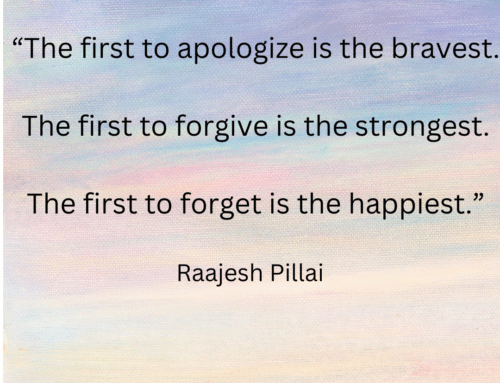
We all want to get our needs met in our relationships. When engaging in couples counseling, one common thing I notice is how often individuals are quick to point out their partner’s flaws. The belief often goes, “If only he or she would do this, or stop doing that, then everything would be fine.” This mindset places blame squarely on the partner, with little reflection on one’s own role in the relationship’s challenges. Many people come into therapy expecting validation of their perspective, assuming the therapist will agree with them and highlight their partner’s shortcomings. Conversely, some partners are reluctant to attend therapy out of fear that they will be picked on.
In reality, we all have flaws and blind spots that are often visible only to those closest to us. While it’s more comfortable to critique someone else, introspection is vital for growth. Addressing one’s own role in the dynamic may be uncomfortable, but it is the key to improving relationships. As a psychologist, I emphasize this from the outset: both partners must be willing to examine their contributions to the interaction. When two people love each other and take responsibility for their own behavior, they can greatly improve their relationship.
How to express your needs
A transformative approach in therapy for getting your needs met involves shifting the narrative from blame to understanding. Instead of pointing out what is wrong with your partner, consider exploring your unmet emotional needs and how they affect your feelings and behavior. When you make yourself vulnerable in your relationship, it leads to deeper emotional connection. For example, rather than saying, “You never listen to me,” try saying, “I feel unheard and disconnected when my concerns aren’t acknowledged.” This reframing fosters empathy and reduces defensiveness.
Couples often argue because they feel unheard or misunderstood. This clearly gets in the way of our needs. Starting conversations with “I” statements rather than “You” statements can dramatically change the tone. “You” statements tend to sound accusatory, putting the other person on the defensive and creating distance. In contrast, “I” statements invite collaboration and understanding. The choice to communicate in this way can be the difference between escalating conflict and fostering intimacy.
How therapy can help you get your needs met
Therapy provides a safe, nonjudgmental space where both partners can feel heard, understood, and respected. A skilled therapist doesn’t magnify flaws or assign blame. Instead, they focus on understanding the underlying emotions and unmet needs driving each person’s behavior. Often, people’s actions—even those that seem harmful—stem from attempts to meet emotional needs in ways they’ve learned or believe are effective. Understanding this dynamic helps to humanize one another and uncover pathways to healthier behavior.
Therapists aim to magnify humanity, not faults. For example, someone who is constantly critical may be grappling with their own fears of inadequacy or rejection. By addressing these fears and finding healthier ways to cope, individuals can meet their emotional needs without harming their relationships. This compassionate approach not only strengthens the bond between partners but also fosters personal growth.
Embracing vulnerability
Acknowledging your own struggles and pain can be challenging, but it opens the door to deeper connection. Vulnerability creates an environment where your partner feels safe enough to reciprocate. By sharing your feelings and needs without blaming or attacking, you invite your partner into a space of mutual understanding and empathy.
For instance, if you’re feeling like your partner hasn’t been paying attention to you, expressing it as, “I’ve been feeling lonely and would love to spend more quality time together,” is likely to draw your partner closer than saying, “You never make time for me.” The former acknowledges your need while respecting your partner’s perspective, while the latter puts them on the defensive and creates division.
Taking responsibility for both of your needs
The beauty of relationships lies in their potential for mutual growth. When both partners commit to self-reflection and open communication, they create a foundation for a healthier and more fulfilling connection. It’s important to remember that no one is perfect. We all have areas where we can improve, and relationships provide a unique opportunity to identify and work on those areas.
At the heart of getting your needs met is the recognition that relationships are a two-way street. While it’s natural to wish for change in your partner, real progress comes from being willing to change yourself. By focusing on your own emotional needs and expressing them in constructive ways, you set the stage for a more harmonious and supportive relationship.
Final thoughts
If you find yourself struggling to get your needs met in your relationship, consider seeking support. Therapy can help you and your partner uncover the deeper emotions and unmet needs driving your conflicts. It’s a space to feel heard, understood, and respected—not judged or criticized.
Relationships thrive when both partners approach each other with empathy and a willingness to grow. By focusing on your own role and expressing your needs with vulnerability and compassion, you can foster a deeper connection and create a stronger foundation for your relationship.
If you’re ready to take the next step in your journey to get your needs met, please give me a call at 713-304-6554.
Together, we can work toward understanding, healing, and growth.
Debbie