Eating Disorder Help
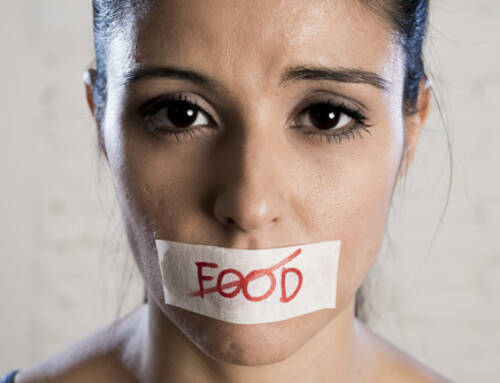
The holidays are an exciting time for most people with all of the special foods and festivities. Realistically, for many people this will most likely be on a smaller scale than previous years. Regardless, for those who struggle with food, the holidays may be a time of angst. Thus, they would benefit from some eating disorder help.
There a variety of eating disorders and people are impacted in different ways. Some people restrict their food, others binge, or binge and purge. Often times these people base their self worth on how well they ate. It may be hard to imagine what it can be like unless you have an eating disorder or know someone who does. It’s so easy to say, “Just eat” or “Just eat in moderation.”
Most people don’t know how to be supportive if you love someone with an eating disorder. Below are some do’s and don’ts of eating disorder help.
Do’s for eating disorder help
Ask how you can be supportive
If someone has shared with you that they have an eating disorder, ask if there is anything you can do that would be helpful. It is easy to assume that something would be helpful, but we can be wrong. Be sure to be non-judgmental. Most of us don’t know what to say or do in this situation. The person struggling is the expert on himself or herself.
Talk to them about topics other than food
It’s easy to comment on the holidays spread and to ooh and aah over the food. Try to keep these comments to yourself or privately compliment the hostess. The sight and mention of food are typically big triggers.
Instead focus on what the person has been up to or their achievements.
Be a safe person
If the person struggling with an eating disorder feels overwhelmed and needs someone to spend time with privately, be that person. You can go in another room or go outside, just to get a break and help the person calm down.
Encourage the person to seek help with a therapist
If the person shares their challenges with you and they are not yet under the care of a therapist, suggest that they do so. Be careful on your wording. You can ask them if they are getting help. If not let them know that you are worried about them and wonder if it will be helpful. Be sure to start with an “I” statement so as not to put the person on the defensive.
Let the person know what will be on the menu
If the gathering is at your house, letting the person know the menu ahead of time may be helpful. On the other hand, you could always ask them if there is something they would like on the menu. This information can help them plan what they will eat and reduce their anxiety.
Hang out in a room where there is little to no food
Gently guiding the person with the eating disorder into another room will help that person avoid triggers of food, or people commenting on it. The person struggling may feel more comfortable eating in a room with fewer people.
Don’ts for eating disorder help
Don’t make comments about their weight
Even something as simple as, “You look healthy” or “You look good” could be a trigger. You might think that this kind of comment is helpful, but most of the time it is not.
In addition, shaming of blaming someone with an eating disorder will only make them feel worse about him or herself.
Don’t talk about body image
So many people talk about their own bodies or make comments that they want to lose weight. This will be a trigger for someone with an eating disorder. It will most likely feed into their fears. So be sure to avoid any comments about feeling stuffed or fat after the meal.
Don’t make comments regarding the amount of food on their plate
People with eating disorders often feel self-conscious about what they have on their plate, or fear that people are watching them eat.
Don’t make food the focus of the holiday
You can spend time playing games, watching movies, doing crafts or expressing gratitude.
Don’t assume that only women struggle
It is easy to assume that only women struggle with eating disorders. This is far from the truth. Many men struggle too. They may even feel a greater amount of shame due to the myth that it is a women’s disease.
Where to get eating disorder help
There are several resources for those struggling with eating disorders as well as their families.
National Eating Disorders Association (NEDA)
National Association of Anorexia Nervosa and Associated Disorders (ANAD)
National Alliance on Mental Illness (NAMI)
If you or someone you love struggles with an eating disorder, please give me a call at 713-304-6554 and we can get you set up with a game plan to get healthier.