Many people think that body image dissatisfaction is primarily something females struggle with. Yet many males struggle too. However, they are more likely to do so in silence due to shame and embarrassment. I did my dissertation 11 years ago on male body image dissatisfaction, and it’s interesting how this topic progresses as new forms of media take hold.
Increase in male body image dissatisfaction over time
When we look at the research over the years, male body image dissatisfaction has increased over time. The images we see in the media have a huge impact, as the idealized body image is splashed all over the place. With social media the impact is even greater. Splashed all over Instagram and TikTok are images and reels of men with their 6 pack abs. This gives the idea that if you don’t have this type of body that you are somehow deficient or won’t be able to date. I have worked with men who wouldn’t date because they didn’t feel like they were muscular enough. Others wouldn’t take their shirt off at the beach for fear of what other people would think.
Bigorexia
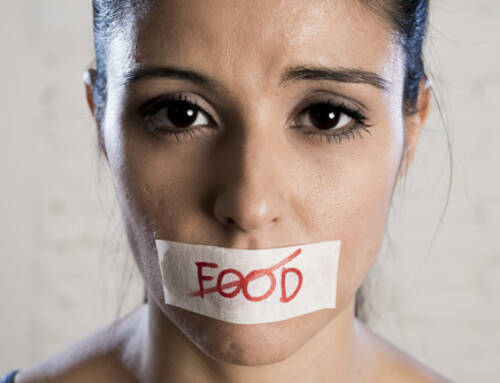
Recently there was an article in the New York Times on Bigorexia. It is an extreme form of muscle dysmorphia, and those struggling can become obsessed with their bodies to the point that it interferes with other areas of their life. They might not want to eat with family or go out and socialize with friends, as they don’t want the extra calories of food. This only increases their sense of isolation, and can impact mood.
Seeing all the men with their perfect bodies have made others crave what they see. In order to do so they go on special protein diets and follow body builders online. They think that if they just do what the person says, they too can look like that. However, when you look at some of these videos, the men look like they are on steroids. Of course they won’t admit it. So it creates an impossible situation. You will never achieve the same level of muscularity as someone who is on steroids. I’m not going to go into the dangers of doing so in this blog. In addition, genetics plays a role in your ability to achieve a certain look.
Male body image and TikTok
The goal of these boys is not to make a sports team; the goal is to be able to look good enough to make TikTok videos. The article mentions one 16 year old whose videos focus on how to get “gorilla chest,” “Popeye forearms” or “Lil Uzi’s abs.” This same boy spends an inordinate amount of time on this and at times it impacts his schoolwork. He likes that as his muscle mass increases more people follow him. People want to be like him, which is all a huge ego boost. The more ripped you are, the more likes you get. The fear of gaining weight can be paralyzing as it can lead to fewer likes. Ironically, the research also shows that the guys that are the most muscular are also the ones that are the most insecure.
There is this heightened sense of hypersmasculinity that has been playing out in our culture for a long time. It goes back to the days of Playgirl magazine. This is one of the first places where the male body was objectified. Also if you look at the progression of GI Joe or the Hulk, you will see that they become increasingly larger and more muscular over time.
These become role models for boys, who want to look like these heroes. However, most boys and men will never be able to achieve that level of muscularity. In a study in the Californian Journal of Health Promotion in 2019, just about 1 out of 3 boys (ages 11-18) were not happy with the way their body looks. Many of them want to be more muscular. As this ideal becomes internalized, it can decrease their self-esteem. Women have felt this pressure for decades. It also plays into the development of eating disorders.
Increase in eating disorders
The New York Times article also mentions research done by Dr. Jason Nagata, from California who specializes in adolescent medicine. He says that the pandemic has lead to an increase in unhealthy eating and exercising, along with eating disorders. This is due to the increase in isolation and people spending more time on social media. Those who were in sports may have become extra anxious about their weight gain, as they couldn’t exercise the way they normally did in school.
Another interesting piece of research looks at what women want, and what men think women want. When shown pictures of males and muscularity, women were asked to rate what they thought was most attractive. They showed the same images to men and asked what they thought women wanted. The women chose a man that was less muscular than what the men chose. Most women do not find the hypermuscular male to be attractive.
If you feel that body image dissatisfaction is impacting your life, therapy can help. Give me a call at 713-304-6554.
Take care,
Debbie