May is Mental Health Awareness Month. The goal is to remove the stigma of mental illness, provide support, education, and advocacy for those who are affected. Only by having open conversations about mental illness and showing compassion for those who struggle can we support these individuals.
NAMI (National Alliance for Mental Illness) is a wonderful resource for information on mental health. There is all sorts of material and support. Below are some statistics from NAMI.
In the US, one in 5 adults will suffer some sort of mental illness and only 2/3rds of them get treatment. If we look at youth, 1 in 6 will struggle with their mental health and only ½ of them will get treatment.
Shockingly, treatment typically occurs 11 years after symptoms begin. We certainly don’t want to wait years and years before seeking treatment. It may be easy to miss some common signs as they may appear slowly over time. Some of them might seem like typical teenage behavior.
It won’t be surprising to hear that the number of mental health emergences increased by 31% in adolescents during COVID.
If you or someone you love is struggling with their mental health I highly recommend going to the NAMI website. You can call the helpline at 1-800-950-6264. Or text “HelpLine” to 62640 to chat. The number for those who are suicidal or having a mental health crisis can call 988. Crisis counselors are available 24 hours a day. They can help you feel safe and find options for support.
Mental Health Awareness Months: Signs of mental illness
Consistent feelings of sadness or anxiety
Of course life is hard and we all feel sad or anxious at times. Yet if these feelings last for weeks or months something is wrong. If you are noticing excessive worry or hopelessness, it could indicate an anxiety disorder or depression.
Mood swings
This goes above and beyond what might be normal for a teenager. These are more extreme and may involve intense feelings of euphoria. They may also present as extreme feelings of irritability or anger. These can occur without an apparent trigger and be disruptive to daily life.
Withdrawing from social events
If someone typically enjoys going out and spending time with friends, and then suddenly stops, is suffering for some reason. It could be due to anxiety, depression or some sort of psychosis. Or perhaps something is going on in the friend group.
Changes in sleep patterns
Those with anxiety or depression might have trouble sleeping. On the flip side, sleeping too much can also be a symptom. They might be tired and have low energy.
No longer enjoy hobbies and activities
This often happens with depression. They might not be able to get joy out of things they used to in the past.
Changes in eating habits
Some people who are anxious can’t eat. It may nauseate them to think of food. Those with depression might lose their appetite too, or they may overeat. In addition if someone restricts their food, has intense fear of getting fat or is purging, they may have an eating disorder.
Trouble concentrating
This can occur with a variety of mental illnesses such as anxiety, depression or ADHD. Cognitive function can be impaired making it difficult to think or make decisions. This can impact school, home and social activities.
Physical symptoms
Mental health can also lead to a whole host of physical problems. Chronic headaches, or stomachaches can be a sign of mental illness when there is no medical reason for these. As a matter of fact, the way most people realize they are having panic attacks is after going to the ER and being told there is nothing wrong with them. Yet in the moment, they think they are having a heart attack or dying.
In addition, in some cultures and families, it is not acceptable to discuss mental health, but is acceptable to discuss physical ailments.
Substance abuse
Many people who struggle with mental illness turn to drugs or alcohol as a way to self-medicate. Of course this just exacerbates the problem.
Suicidal thoughts or self-harm
If someone is having suicidal thoughts, has attempted or engaged in some other form of self-harm, needs help immediately.
Recognizing these signs and symptoms can be a big help to someone who is suffering. If you see these, have a conversation with the individual. Doing so in an empathetic and nonjudgmental fashion, may lead them to the help they need.
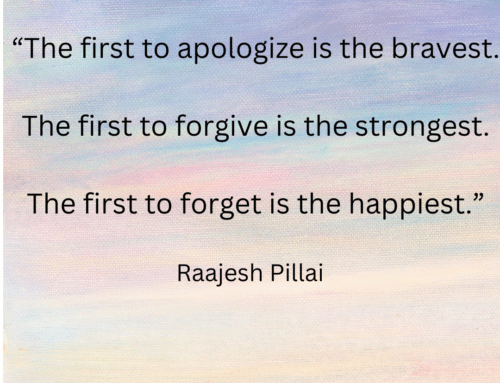
Some people think that they are weak if they ask for help. Nothing can be father from the truth. It takes courage to ask for help. Ending this stigma is one of the main goals of Mental Health Awareness Month.
There are all sorts of therapies, medication, support groups and tools that can help individuals with mental health issues.
If you are struggling, please give me a call at 713-304-6554 and we can come up with a plan to get you back on track.
Take care,
Debbie