Most of us don’t do things that will lead to relationship harm. None of us is perfect when it comes to communication. Our parents are our role models for what a relationship looks like. We tend to marry someone who in some way, shape or form, recreates our family of origin dynamics.
However, we may be doing some things that lead to relationship harm and erode it over time. Most of us don’t intentionally do this, but when is the last time you took stock in your relationship? More importantly, have you unwittingly done or said some of these things that are hurtful? Most of us can answer “yes” that we have done one or some of these at some point in time. Some of the information below is from Between Sessions (a site for therapists).
Ways people cause their relationship harm
Name calling
Do you call your partner names? It could be something as simple as, “jerk” or “stupid”. Obviously there are harsher names that people call each other. Words are hurtful and hard to forget. No one deserves to be called names.
Blame
Do you blame your partner for things that go wrong? Maybe you say something such as, “It’s all your fault.” Realistically conflict takes two. You each play a part in the dynamic. Very rarely (except with physical violence/substance abuse, etc) is something one persons fault.
Criticism
Are you pointing out your partners flaws, or telling them the things they are doing wrong? I don’t know of anyone who responds well to this. John Gottman, PhD has made it his life’s work to study couples. He says that behind every criticism is a positive need that is not being met. If you learn to express that positive need vs. the complaint, your communication will greatly improve.
Acting superior
If you are condescending or patronizing your partner you are eroding your relationship. This sets up a power dynamic. According to Gottman, this is the greatest predictor of divorce in a relationship. Instead of doing this, try to express appreciation for what your partner does.
Humiliation and relationship harm
This amounts to verbal abuse. It will impact your partner’s self-esteem. Saying things such as, “You’re fat, who would want you?” or “You’re a miserable human being.” A relationship can only take so much of this behavior before it breaks.
Manipulation
Are you saying things such as, “If you love me, you’d do this or that” or “If you stop nagging me I’ll do this?” These types of things are used to exert power and control over another person.
Jealousy
Are you suspicious of your partner, even though they give you no reason to be so? Do you look through their phone to see if you can find things? Maybe you question your partner if they talk to anyone of the opposite sex at work and forbid them to do so. Some people do this out of insecurity, others because they have been cheated on, or for other reasons. I have clients say that my partner is acting as if I’ve had an affair, even thought I haven’t. I might as well just do that, as that’s how he/she treats me. Over time they just give up because no matter what they do their partner won’t believe them.
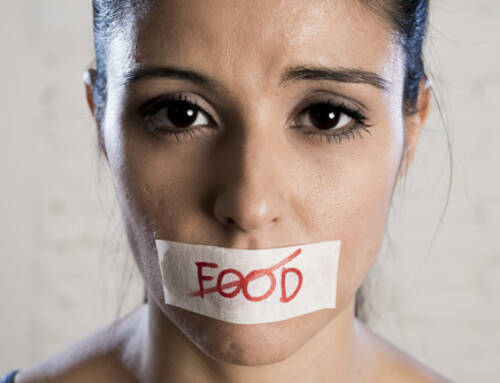
Stonewalling
This is giving obvious clues that you are no longer paying attention to the conversation. You might just stop talking, you might leave, or refuse to answer calls or texts. When this happens you are emotionally overwhelmed. If we were to take your heart rate at this time, it would be sky high. It’s important that you do something to help self-soothe (meditate, exercise, call a friend, etc.) and then go back and talk to your partner when you have calmed down.
How to prevent relationship harm
The first step is to calm down. You may need to leave the situation so you won’t say anything you regret. Maybe you need to go for a walk or run.
Gottman has a wonderful model on how to resolve conflict. You want to start with an ‘I’ statement and then state your feeling. If you start with the word “you”, it will put the other person on the defensive.
Then you want to state your positive need that is not being me. An example is, “I was really worried about you as you said you’d be home at 8:00 and here it is 10:00. I just need to know that you are safe.” So my feeling is worry, and my need is to know that you are safe.
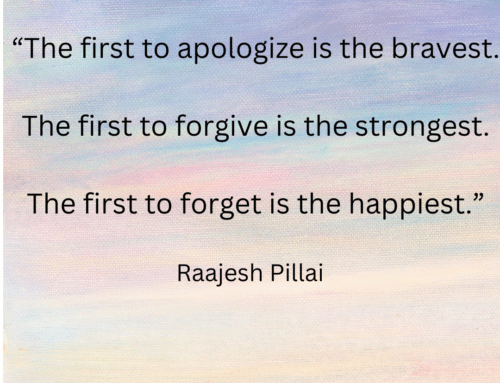
Remember too that your partner has a valid point of view and is also hurting. Recognize that you are both right. Apologize for your piece in the interaction. Only when you can validate each other’s feelings can you resolve what is going on.
Communication is the main reason people come to couples counseling. If you are doing anything that is causing your relationship harm, give me a call at 713-304-6554.
Take care,
Debbie