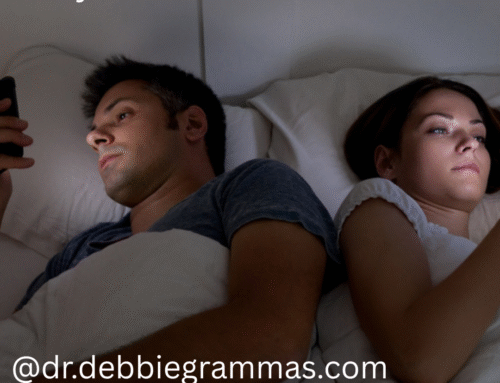
If you struggle with anxiety, you are not alone. Millions of people do and it’s the main reason people come in for anxiety therapy. I’ve had clients tell me that they feel like they are going crazy due to their anxiety. I always tell these people, that if you can have the thought then by definition you are not.
Of course you try everything possible to keep it at bay, but you may find that nothing works. There are many forms of anxiety therapy. Everyone is different, so it helps to work with a therapist who knows several different forms of treatment. Below are some types of treatment for anxiety and anxiety disorders.
Types of anxiety therapy
Cognitive Behavioral Therapy (CBT)
This is the most researched form of therapy, and is very effective. The way you think impacts the way you feel. You might have these automatic negative thoughts called cognitive distortions that you are not even aware of. There are several of these. I like to teach clients the various cognitive distortions to see which ones they do. Once we have identified these, we can look at ways to challenge these negative thoughts.
You might start to pay attention to that internal voice of yours and see if it’s more positive or negative.
Acceptance and Commitment Therapy (ACT)
This differs from CBT in that instead of combating negative thinking it helps you accept your anxiety and not judge it. This form of treatment has you notice your thoughts as thoughts. You are not your thoughts. ACT allows the anxiety to be there along with you, while achieving your goals and living life as you want.
Exposure therapy
Exposure therapy has you come into contact with whatever you are afraid of in a controlled fashion. You do these things at a slow pace allowing for a certain amount of anxiety. Once you become a little more comfortable with it, you exposure yourself to more of the feared situation. The goal is to eventually do the thing you are afraid of.
Biofeedback for anxiety therapy
Biofeedback uses electronic monitoring to help you become more aware of how your body physiologically respond to stress and anxiety. This visual picture helps you learn to control your response to anxiety and calm yourself down.
Mindfulness
Carl Jung says, “What you resist persists.” Just sit with your anxiety. Don’t try to fight it. Just relax into it and allow it to be there. Where do you feel the anxiety in your body? Is it concentrated in a certain area, or spread throughout your whole body?
What do they say to you when you are about to get a shot? They tell you to relax. The reason is that it will hurt less if you relax. It’s not a natural thing to do when you see a needle ready to jab into your skin. Anxiety is the same way.
Breathing techniques for anxiety therapy
There are several forms of meditation and breathing techniques that can help you physiologically calm down. When we slow down our breathing, our heart rate also slows down.
Breasthing meditation
This involves focusing on your breathing. You can set a time for 8 minutes and just pay attention to the air going in and air going out. Don’t judge it. Allow whatever comes up to come up. Don’t beat yourself up if your mind wanders. This happens to everyone. Just gently guide yourself to focus on your breath.
4-7-8 breathing
Breathe in for 4, hold for 7, breathe out for 8. Do this for 10 minutes and you will feel much calmer.
Square breathing
Breathe in for 4, hold for 4, breathe out for 4, hold for 4. As you are counting to 4, imagine each segment as a line of the square. Having this visualization helps some people focus better. Again, do this for 10 minutes.
Yoga
Yoga is wonderful for that mind-body connection. It also focuses on breath at times. As you are holding the poses, you are very aware of your body. There is no room for anxiety or negative thinking as you are doing this.
It also has a meditative quality to it and is a wonderful stress reducer.
Journaling
For some people it helps to write about their anxiety, their negative thought process or fears. Often times it can help you get from your emotional brain to your logical brain.
Healthy lifestyle
If you are eating healthy, not overindulging in alcohol and getting a good night sleep, you are less likely to be anxious. You might also want to look at your caffeine intake as this can lead to an increase in anxiety.
Medication for anxiety therapy
If you have tried several of the above techniques and nothing seems to be working, you might try medication. Many people find it to be extremely helpful. In addition there are some people who don’t want to use any of the therapeutic tools and just want medication. Others don’t want medication at all.
Remember, everyone is different. You know yourself better than anyone else does. Thus it’s important to find tools and techniques that work best for you.
If anxiety is something you struggle with, you might want to give anxiety therapy a try. There are many tools and techniques that I can teach you to get to a better level of functioning. Please give me a call at 713-304-6554 if I can help.
Take care,
Debbie