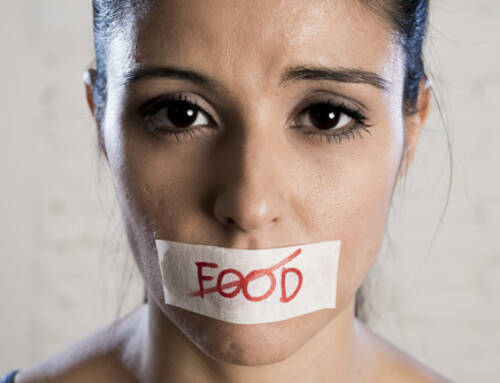
Living with an eating disorder is challenging enough. However when you combine eating disorders and the holidays it can be extremely distressing. Thanksgiving, Chanukah, Christmas and all the other winter holidays can be overwhelming as food and drink are the focal point. You may want to eat and drink yet fear you will get fat. On the flip side you may fear you will eat too much or make yourself get sick.
People who don’t know anything about eating disorders and the holidays may think you are making too much of things. They may just tell you to eat if you are underweight, or give you dirty looks if you are overweight and put too much food on your plate. Perhaps you fear you will be judged, people will be staring at you or making nasty comments. This may be true, or your fear getting the best of you.
Regardless of which camp you fall in, there are all kinds of things you can do to take care of yourself. Below is a list of some things that may help.
Eating disorders and the holidays: survival tips
Set boundaries
You don’t have to go to every party. If you are at a party and get overwhelmed you can go in a different room to take a break, or even leave if need be. What will you say to someone who comments on your weight? Having a canned response can help avoid the sting of the comment, or deflect it. You can set any boundary you need to protect yourself.
Have a wing buddy
This person is there for you if it gets too overwhelming. Most of us have someone we know who can help us through a difficult time, or always says what we need to hear. He or she may be with you at the same event, or perhaps you can call them while you are at that event. Sometimes just knowing that the person is there can help you get through the event.
Talk to family about eating disorders and the holidays
Express your concerns. Let your family know that you’d appreciate it if no one makes any comments about how much or little you are eating. Share that you would appreciate it if they did not make any comments about your weight. Remind them that you’d like to have conversations that are not about food.
Be aware of your triggers
Is there is someone or something that triggers you? Maybe it’s a certain food or a certain person. If so, is there a way to avoid these things? Clearly if there is a person you don’t want to be around, you can spend as little time with them as possible.
If there is a certain food that triggers you? Can you meditate, or breathe through the challenge?
Lack of routine
An additional stressor is not being in your home environment. Many people travel and have dinner at the home of someone else. This can be challenging, as you may not have the some coping mechanisms outside of your own home. In addition if you are out of town you are having additional meals away from home, or are eating out more often than you normally would.
Bring a dish you like
Often time guests bring a dish to the Thanksgiving meal. If that is the case, bring a dish you are comfortable with. If you are traveling can you pick up that dish from the store? That way you know you will have something you like.
Mindful eating
Have you ever tried mindful eating? If not, you might want to try it. It involves using all 5 senses to really slow down and enjoy what you are eating. What does your food taste like? Notice the color and texture. If it’s something you pick up with your hand, notice the weight of it, as well as the texture and the way it feels on your skin. How does it smell? Most of us can easily conjure a smell from Thanksgiving. Notice its texture in your mouth. Is it smooth or rough? Is it dry or moist, sweet or savory? Where in your mouth do you taste the flavor?
When you do this, it brings you in the moment at this point in time. It is very enjoyable as you really savor your food.
Self-compassion
If you eat more than you want or less than you want, be kind to yourself. Dealing with an eating disorder is one day at a time. Tomorrow is another day.
You might also think of what you’d say to someone you love if they didn’t achieve their goal. I’m guessing you’d be kind and gentle. Use those same soothing words to yourself.
Resources for eating disorders and the holidays
National Eating Disorder Association (NEDA)
National Association of Anorexia Nervosa and Associated Disorders (ANAD)
988 National Suicide and Crisis Hotline
If you are struggling with an eating disorder, you don’t have to do this alone. You might feel alone and isolated; yet there is hope. If I can help you navigate this challenging season, please give me a call at 713-304-6554.
Take care,
Debbie