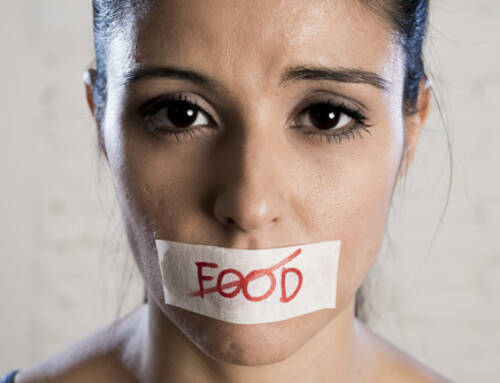
Today’s diet culture has led people to spend over $30 billion dollars on dieting. According to body image researcher Nadia Craddock PhD, diet culture is a set of expectations in our society “telling us that there’s one way to be and one way to look and one way to eat and that we are a better person, we’re a more worthy person if our bodies are a certain way.”
How many people do you know who made a New Year’s resolution to eat healthier, lose weight, or exercise more? I would guess that is what the majority of resolutions involve. People assume that if they are thin they are healthy, and fat people are unhealthy. This is not true. Thin people can he unhealthy, and fat people can still be healthy.
The other thing is, diets don’t work. Most people will regain all the weight they have lost and more. They don’t realize that our bodies have a natural set point. It is important to look at your family genetics, as this will have a huge impact.
How diet culture impacts us
Controls your thoughts
If all you do is think about dieting, it will rob you of your joy. You have that negative voice in your head beating yourself up for not looking a certain way, or eating too much.
Most people on diets constantly think about food. They are busy planning their next meal or snack. Some people won’t go out and socialize because they don’t want to eat. There is so much anxiety and shame based on these thoughts.
Wastes time
People on diets spend a lot of time planning their meals. Many people weigh their food to be sure they have the exact proper portion size. I once had a client who would weigh her spinach. I believe she told me the whole bag was 30 calories, yet she didn’t want to eat too much.
It prevents you from being engaged in life. If your head is constantly thinking about food, it can’t be available for other things or people in your life. We only have so many resources.
Excessive cost of diet culture
How much have you spent on diet foods or programs? Perhaps you’ve even taken some pills to get to that desired weight. What happens when you stop taking the pills? Most people gain their weight back.
The diet industry knows they have you because you believe that their products will work. Or as long as you continue using them they will work. Yet these are not viable long term plans.
Can lead to eating disorder behavior
Dieting can lead to binging, as your body wants to maintain homeostasis. If you restrict your food too much it can lead to a decrease in muscle mass (remember the heart is a muscle too). It can lead to osteoporosis, change your hormone level, and in females lead to a cessation of menstruation.
If you diet, it can slow down your metabolism, as you go into starvation mode. The body will do what it needs to do to keep you alive.
Impacts thoughts about exercise
Some people exercise a lot, as a way to allegedly lose weight. Exercise is no longer enjoyable, but is more like a punishment. We eat too much and then tell ourselves that we have to do something to burn it off.
Some people continue to exercise even if they have an injury, which can lead to further damage. Or if they can’t exercise they experience a tremendous amount of anxiety.
Diet culture controls conversations
Do you realize how many conversations revolve around dieting and the need to lose weight? If you pay attention, you will realize that it happens all the time. I have some friends who are always talking about the weight they have gained or lost. What does it really matter?
It’s as if they assume they are bad if they aren’t at a desirable weight, and somehow superior if they have lost it. These conversations get very old and boring. Why not work on accepting yourself as you are? You cannot fight genetics, so look at your family and see what that looks like.
Most of us will never meet the ideal standard of beauty and that is OK. There are so many things that are more important and they have nothing to do with weight.
When you are asked about the qualities of your best friend, do you reply that they are thin? No. Nobody cares about weight; it’s about how you treat people and how they feel in your presence.
Sense of good and bad
There are no good foods or bad foods. Some people think that carbohydrates are bad. Well, guess what? We all need carbs to survive. They are a source of glucose that we need for energy.
Others think that sweets are bad. It is OK to eat sweets. Have that piece of birthday cake, a donut or a cookie. It’s important not to deprive yourself of these things. Enjoy them in moderation.
Don’t beat yourself up if you eat a little too much. Pay attention to your body and hunger cues. Beating yourself up just leads to shame, which can then lead to more over eating.
If body image or diet culture is something you struggle with therapy can help. Give me a call at 713-304-6554.
Take care,
Debbie