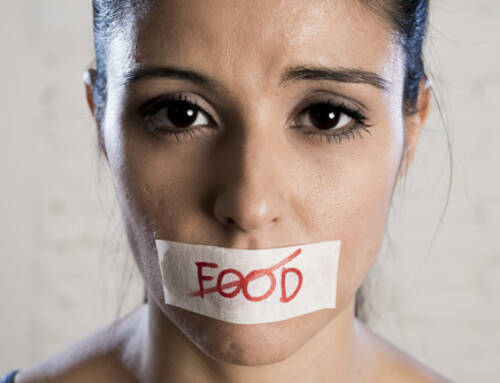
Many people look forward to the holidays. However, for someone with an eating disorder the holidays can become a source of fear. Anxiety and shame involved with eating may increase. All the get togethers and family functions revolve around food. If you have an eating disorder, it can trigger your fears of getting fat, or not being able to control the amount you eat. You many not even know what a normal portion size is. The average person can relax, and enjoy the wide variety of food. Yet someone with an eating disorder can easily become overwhelmed.
Here are some ideas that may help if you or a loved one has an eating disorder.
- One of the best aspects about the holidays is being around friends, loved ones and family members. This is what makes it special, and what people look forward to. Reflect on these relationships and what makes them so enjoyable. Practice gratitude that you have wonderful people in your life. Try to focus on the people who make you feel good about yourself and accept you as you are. Don’t make the holiday about the eating disorder or food. Enjoy the sights and sounds of the holidays.
- If you are currently in therapy, talk to your therapist or dietician. They can help ease your fears. Come up with some tools as to how you will handle the holidays, and what you can do if you get overwhelmed.
- Don’t restrict your food, or skip meals. Try to enjoy the taste of some of the foods. If you have concerns that you will binge eat, perhaps you can have a small meal prior to the gathering, so you won’t be too hungry. See if you can ease up on your rigid thinking patterns. Remember, there are no bad foods.
- Is there someone who will be at the meal that you can lean on if things start to get too difficult for you? Figure this out ahead of time. That way if you need the person, you won’t panic if things get rough. Even if you don’t need your support person, it may make you feel better just knowing that they are there.
- Remember to practice your relaxation techniques such as yoga, meditation, guided imagery or mindfulness. People tend to get stressed out during the holidays. This way you can go to the festivities in the best frame of mind possible.
- Don’t be surprised if people you have not seen in a while say something about your weight, especially if you have lost a lot of weight. As you move toward weight restoration, people may say you look good, or look healthy. Don’t misinterpret these well meaning comments, as “I’m fat.”
- Let those you love, know about your apprehension or fear. Ask for their support and comfort. You know whom you can rely upon. For those who love someone with an eating disorder, be there to listen, and not judge. Don’t encourage the person to eat more, play food police, or make comments about food. This will add stress. Those with eating disorders already fear that others will watch them eat.
- If the person you love has an eating disorder and asks for reassurance about their looks, it is best not to respond (as there may be no right answer). Reassure the person that you love them no matter what they look like.
- If you don’t know how to help someone who has an eating disorder, just ask that person what he or she needs or how you can help. Don’t make any judgments, just listen and do what you can to that person feel safe with you.
If you need additional help negotiating the holidays due to food issues, please give me a call at 713-304-6554.
Take care,
Debbie