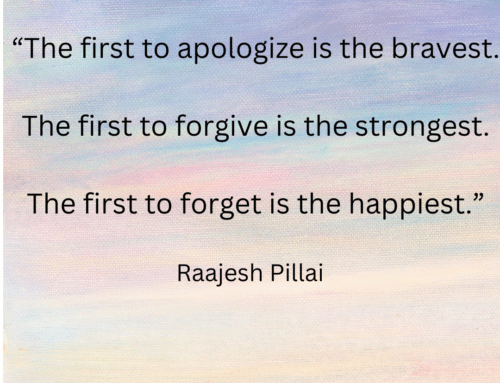
May is Mental Health Awareness month, so I thought I’d focus this weeks blog on that topic. Many people suffer from mental health issues. Unfortunately, many of them also suffer in silence. There is still a stigma about mental health, and people think it is a sign of weakness to get help. Nothing is further from the truth. The definition of courage is doing something that you are afraid of.
I applaud the many athletes who have come forward to discuss their mental health struggles. Many people look up to olympians , baseball players, basketball players and other athletes. They are human too. Thus they also deal with mental illness. Please click on one of the highlighted links to see more.
Here are some of the most common mental health disorders that people struggle with:
Depression
People with depression feel sad and blue for at least a 2-week time frame. Typically they don’t have energy or motivation to do the things that they usually do, or enjoy doing. It might involve weight gain or weight loss. They may sleep more hours during the day, or have trouble sleeping. Often times there are feelings of guilt, worthlessness, thoughts of death or trouble concentrating. Sex drive may decrease.
Bipolar Disorder
To be diagnosed with this disorder, all you need is 1 manic or hypomanic episode. Mania typically involves feelings of grandiosity. The person may experience irritability or an increase in energy. Sleep may be decreased and the person may be more talkative. Their attention span is not good, and often times they have racing thoughts. There also might be an increase in harmful activities such as random sex partners, gambling, or going on a spending spree. Several of these symptoms need to occur in the same time frame and last several days to a week depending on if it is mania or hypomania.
A depressive episode may or may not have occurred.
Generalized Anxiety Disorder (GAD)
People with GAD worry more than the average person and worries about many things. This needs to occur for at least 6 months to receive this diagnosis. They might feel wound up and on edge, or tire easily. Often times there is trouble concentrating, tense muscles and trouble with sleep. And remember, to get any of these diagnoses, it must impact your ability to work, go to school, or interfere with your normal social activities.
Panic Disorder
With panic disorder the person has had a panic attack. There are many different symptoms, and they may differ between people. Often times they will feel like they are having a heart attack, go to the emergency room, and then be told there is nothing wrong with them, as their heart is racing, or they feel like they are going to pass out. They may experience nausea, dizziness or have tingling in their body. A feeling of doom often occurs. The person does not know what caused the panic attack, and is fearful of having another.
Adjustment Disorder
This occurs within 3 months after a major life stressor. The reaction is above and beyond what would be considered normal for the situation. Symptoms must decrease within 6 months after the stressor has been removed. With adjustment disorder, there are symptoms of anxiety, depression, a disturbance of conduct, or a combination of 2 out of the 3.
Post-traumatic Stress Disorder
This can occur after someone has a near death experience, or witnesses someone who has. They have recurring dreams, nightmares or flashbacks about the event. A desire to avoid the place the event occurred, or avoiding talking about the event are common. Those with this disorder often isolate, feel numb, and struggle with anger. They tend to be hypervigilant, and have an increased startle response. Negative thoughts, amnesia, a decrease in desire for activities, and self-blame may also be present. Trouble with sleep or concentration may also be present.
Obsessive-Compulsive Disorder
The person may experience obsessive thoughts, compulsions, or just one of these. Persistent, intrusive, unwanted thoughts occur and cause a lot of anxiety or stress. The individual then tries to get rid of those intrusive thoughts by another thought or action (compulsion). Compulsions may include behaviors that are repeated, such as checking (locks, alarm has been set, hand-washing, etc). Or they include another thought such as counting, or putting things in order. The person feels they must engage in these thoughts or actions or something bad will happens. It helps to reduce anxiety in the short term. These actions or thoughts must take a least 1 hour of the persons day, or include a lot of distress.
If you or someone you know suffers from one of these disorders, or if you are just not up to your normal capacity, speaking to a mental health professional can help. Life is hard, and we all struggle with relationships and issues at times. Of course your friends and family will give advice, but often times their point of view is more subjective and you are emotionally involved with them. It often helps to talk to someone who is objective and nonjudgmental. Your therapist will tell you what you need to hear, not what you want to hear. Feel free to call me at 713-304-6554 if you have any questions or would like to set up an appointment.
Here are some additional resources:
www.dbsahouston.org
National suicide prevention hotline 1-800-273-8255
Take care,
Debbie