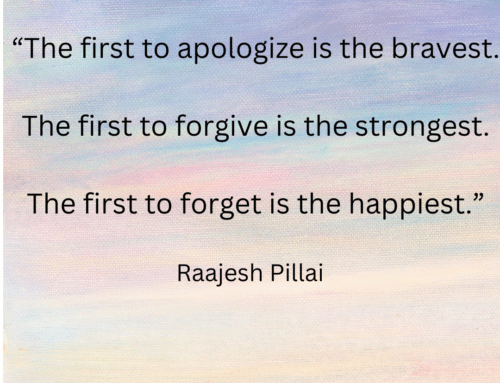
Do you play the blame game? I work with many couples in therapy and learning how to communicate is the main reason couples come in. It’s interesting how each person is so happy to blame their partner for the problems in their relationship. When I begin with couples, I give them this spiel: “If you are each willing to look at your piece in the interaction, you can get to a better place in your relationship.” Of course they each agree. That agreement quickly goes out the window.
Why people blame vs. communicate
It is much easier to blame someone else for your problems. Looking in the mirror and recognizing how you keep the unhealthy dynamic in place is much more difficult to do. Many people think that they know how to communicate and are great at it. They know exactly what is going on in their own head and it’s perfectly clear. The problem is, your partner feels the same way. Yet the way you communicate is different than the way it is received. Some of the information in this blog comes from an article titled Putting an End to the Blame Game.
Thinking differently
One thing that is important to realize in moving forward is that your partner thinks differently than you do. That may surprise you because you get along in so many areas and have similar values. We may even think our partner’s point of view is crazy. How could that person possibly think that way? Well here’s how, we all come to our beliefs and opinions based on what the world has taught us. This is an accumulation of our life experiences and how we know the world to be true. We all have different upbringings and life experiences, so we are all taught different things.
How to move away from dysfunction
If you are stuck in some dysfunctional dynamic, or you keep coming back to the same place in your disagreements, you are most likely unable to understand your partner’s point of view. There is a wonderful saying: You can be right or you can be in a relationship. This is any relationship, not just the one with your current partner. The problem is each one thinks they are right. Here is a novel idea. What if you are both right? Just given the nature of how you grew up and what you have learned. This is your reality.
After you have calmed down, ask yourself, if your partner is crazy or not. My guess is that you’d have to say no. Can you even begin to fathom why your partner may hold their point of view? Can you allow for both opinions to be there as different options? Until you can get to this point, you have no chance at resolving your situation.
Who wants to be bullied into believing what their partner does? Do you honestly believe that if you prove your partner you are right that they will feel any closer to you? The opposite is true. Doing so only leads to resentment. This will build over time and eventually destroy your relationship.
Validate your partner
The most important thing you can do to move forward is to validate your partner’s point of view. If you truly want to end the dynamics that keep you stuck here is something to try. In this example, I’m going to assume that you will take the lead. The best thing you can do is to calmly ask your partner to state their point of view and listen. Then repeat back to them what you heard them say. To validate their feelings, tell them why it makes sense that they would feel that way. Remember, this is about your partner’s point of view, not your own.
Once your partner feels understood, he or she will most likely be in a place to understand your point of view. When sharing your side, be sure to start with the word ‘I’ then state your feelings, and a positive need. When you can share your feelings in the situation and be vulnerable about your hurt and pain, your partner will be drawn towards you. If you acknowledge what you did wrong in the situation, and your partner can too, then your disagreement can be resolved.
Remember too, it is OK to agree to disagree. And, never say the words ‘I told you so.” Nobody wants to hear that.
If knowing how to communicate is something you struggle with, please give me a call at 713-304-6554.
Take care,
Debbie Grammas PhD